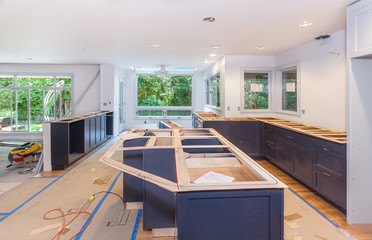
Best Time of Year to Start Your Kitchen Remodeling Project for a Smooth Renovation

Kitchen Remodeling

Timing plays a significant role in the success of any Kitchen Remodeling Lexington KY. While planning, budgeting, and contractor selection are essential, choosing the right time of year to begin construction can influence cost, scheduling, and overall experience.

Each season presents its own advantages and challenges, and understanding these factors helps homeowners make informed decisions. Knowing the best time of year to start your kitchen remodeling project can help reduce stress, improve efficiency, and maximize value.

Why Timing Matters in Kitchen Remodeling

Kitchen remodeling involves coordination between contractors, suppliers, and homeowners. Seasonal demand can impact availability, pricing, and timelines. During peak renovation periods, contractors may be fully booked, leading to longer wait times.

Weather conditions can also affect certain aspects of remodeling, especially if the project involves structural changes, window replacements, or ventilation updates. In addition, personal schedules, holidays, and family commitments influence how manageable a renovation feels.

By considering timing carefully, homeowners can create a smoother and more predictable remodeling experience.

Starting a Kitchen Remodel in Spring

Spring is a popular time for home improvement projects. As the weather improves and daylight hours increase, homeowners often feel motivated to begin renovations. Contractors may also find it easier to schedule projects before the busy summer season reaches its peak.

Spring remodeling allows kitchens to be ready for summer gatherings and entertaining. The moderate weather can also support projects that involve exterior access or ventilation upgrades.

However, increased demand during spring may lead to higher competition for contractor availability. Planning and securing schedules early helps ensure a smooth start.

Summer Kitchen Remodeling Advantages and Challenges

Summer is one of the busiest seasons for remodeling. Many families choose this time because school breaks make it easier to manage disruptions at home. Longer daylight hours can also allow for extended work periods.

Another advantage of summer remodeling is the ability to cook outdoors if necessary. Grilling and outdoor meal preparation can reduce the inconvenience of a nonfunctional kitchen.

On the other hand, high demand during summer may result in longer wait times and potentially higher costs. Contractors often have full schedules, and material suppliers may experience delays. Planning months in advance is essential for summer projects.

Fall as a Strategic Remodeling Season

Fall can be an excellent time to start a kitchen remodeling project. After the summer rush slows down, contractor availability may improve. Scheduling flexibility may increase, allowing for more focused attention on your project.

Remodeling in the fall also ensures that the kitchen is ready for holiday gatherings. Completing the project before the end of the year allows homeowners to enjoy their updated space during festive seasons.

Weather during fall is often mild, which supports any necessary exterior work. For many homeowners, fall strikes a balance between availability and comfortable working conditions.

Winter Kitchen Remodeling Opportunities

Winter is often considered an off peak season for remodeling, which can present unique advantages. Contractor schedules may be more open, and some suppliers may offer seasonal discounts.

Indoor projects like kitchen remodeling are less affected by cold weather compared to exterior renovations. Starting in winter may also mean shorter wait times for materials and services.

However, holiday commitments and travel plans can complicate scheduling. Careful coordination ensures that the project progresses smoothly despite seasonal distractions.

Personal Schedule and Lifestyle Considerations

While seasonal trends matter, personal timing is equally important. Remodeling disrupts daily routines, especially in a space as central as the kitchen. Choosing a time when family commitments are lighter can make the process easier.

Consider work schedules, school calendars, and planned vacations. Starting a remodel during a particularly busy period may add stress. Aligning the project with a manageable time in your personal life enhances overall satisfaction.

Balancing external factors with personal readiness ensures a smoother experience.

Budget Timing and Financial Planning

The best time to start your kitchen remodeling project may also depend on financial readiness. Setting aside funds, securing financing, and reviewing annual budgets contribute to confident decision making.

Some homeowners prefer to begin projects after receiving tax refunds or year end bonuses. Others plan renovations during slower financial periods to take advantage of contractor availability.

Ensuring financial preparedness prevents delays and supports steady progress throughout the remodel.

Material Availability and Supply Chain Factors

Material availability can influence timing. Certain cabinetry styles, appliances, or custom items may have longer lead times depending on the season.

Starting the planning process early allows time to order materials in advance. Coordinating delivery schedules with contractor timelines prevents interruptions.

Considering supply chain factors alongside seasonal timing helps maintain project momentum.

Weather and Structural Considerations

Although kitchen remodeling primarily occurs indoors, certain elements may involve exterior access. Installing new windows, modifying ventilation systems, or expanding space can be influenced by weather conditions.

Mild seasons such as spring and fall often provide ideal conditions for projects that require exterior adjustments. Harsh winter weather may limit some aspects of construction.

Understanding how weather impacts specific project components helps determine optimal timing.

Avoiding Peak Holiday Disruptions

Holiday seasons can be both motivating and challenging for remodeling projects. While many homeowners aim to complete renovations before hosting events, starting too close to major holidays may create pressure.

Contractor schedules may be affected by time off, and material shipments may slow down during holiday periods. Planning carefully ensures that the remodel does not interfere with important gatherings.

Choosing a start date that allows sufficient time before holidays reduces stress.

Planning for Contractor Availability

Regardless of the chosen season, early planning is essential. Popular contractors often book projects months in advance. Securing a schedule early ensures preferred timing.

Consultations and design discussions should begin well before the desired start date. This preparation allows time to finalize plans, secure permits, and order materials.

Proactive scheduling supports a smooth and efficient remodeling timeline.

Evaluating Your Home’s Current Needs

Sometimes the best time to start a kitchen remodeling project is determined by necessity rather than season. Outdated appliances, failing cabinets, or structural concerns may require prompt attention.

If urgent repairs are needed, waiting for an ideal season may not be practical. Addressing functional issues quickly ensures safety and comfort.

Balancing urgency with strategic timing leads to informed decisions.

Final Thoughts on the Best Time to Start Your Kitchen Remodeling Project

The best time of year to start your kitchen remodeling project depends on a combination of seasonal trends, contractor availability, financial readiness, and personal circumstances. Spring and summer offer longer daylight hours and popular scheduling, while fall and winter may provide greater flexibility and potential cost advantages.

Careful planning and early preparation are key to a successful remodel regardless of the season. By aligning your project with both practical considerations and personal readiness, you can create a smoother renovation experience and enjoy the transformation of your kitchen with confidence.

Water Damage Restoration and Structural Repairs

https://www.allproutah.com/

Water damage restoration is a crucial step in protecting valuable personal belongings, including heirlooms and memories. It also helps to preserve a building’s structural integrity and safety for its occupants.

Professionals can help to save property owners time and money through a streamlined restoration process that prioritizes structural stability. This includes identifying and repairing the source of the problem, performing water extraction, drying, and sanitizing. Visit https://www.allproutah.com/ for more information.

Damage Assessment

Whether from a burst pipe, an overflowing toilet, or floodwaters, water damage quickly leads to serious structural and health risks. In addition to compromising the structure of your home, prolonged exposure can lead to mold and other microbial growth that requires costly replacement and poses health hazards.

That’s why it is important to have a professional water restoration company respond to the issue right away. In the first step of water damage restoration, experts will conduct a thorough inspection and assessment to identify the extent of the problem and determine the best course of action.

The inspection process is designed to identify every area affected by water, including wet ceilings and water-soaked insulation or ductwork. The professional will also assess the level of water contamination, which is classified as one of four categories.

Class 1 water damage is limited to a small area and affects materials that absorb water easily, such as tile, wood, or concrete. Class 2 water damage is more severe and includes soaked carpets, gypsum board, fiber-fill insulation, and drywall. Class 3 water damage is extremely extensive, and encompasses wet and dry materials with low evaporation rates. This classification typically indicates a serious roof leak or flooded basement.

Beyond visual inspection, professionals will use moisture detection tools and infrared cameras to evaluate the full extent of the water damage. They will also look for indicators of mold growth, which can be a serious concern in some cases. Humidity and air quality will be assessed as well. The presence of excessive humidity can contribute to the formation of mold and other microbial growth, and poor air quality can lead to additional health concerns.

Water Extraction

Water extraction is the first step in water damage restoration. It’s a process that involves pumping out or vacuuming up all standing water and dehumidifying the affected areas. This stage should be conducted as soon as possible to limit structural damage and speed up the drying process.

Before starting the process, it’s important to check for any safety issues and hazards that may be present in the flooded area. For example, backed-up sewage and flood waters often contain biohazards that can cause serious health problems. If this is the case, the team should wear PPE like N-95 masks, disposable gloves and goggles. They should also shut off power to the flooded area to prevent electrocution.

Next, the restorer should assess all the damage using visual inspections and moisture meters. This helps them determine the severity of the situation and plan accordingly. They should also check for hidden water damage, such as behind drywall and insulation. Finally, they will take note of all the items that are unsalvageable and remove them from the property.

It’s important to get the water out as quickly as possible to avoid costly repairs, mold growth and other complications. Water lingering in structures can weaken beams and walls, causing them to collapse. It can also rot wood, leading to structural problems and health risks. Prompt action also minimizes the risk of mold growth, which is a major concern for home and business owners. It can cause health problems for people living in the building and deter potential buyers if the property is sold. Therefore, it’s essential to hire a professional company that can handle water extraction efficiently. They use specialized equipment to quickly pump out or vacuum up all the water and dry the structure in the shortest time possible.

Drying

Water damage restoration includes everything from cleaning and sanitizing to making structural repairs. The restoration process is often complex and depends on the severity of the loss and the property’s materials, contents and structure. It may include remediation for mold, electrical work, and major reconstruction.

The first step is to identify and classify the water loss. This can be done using a moisture meter or infrared camera. It will also allow the restoration team to determine what type of PPE (personal protective equipment) they will need.

Once the inspection is complete, the drying process begins. This step can take a few days to a week or more, depending on the season and how much moisture is in the property. The drying process can also be accelerated by turning on air conditioning, removing colored rugs from wet carpeting, and placing aluminum foil or wood blocks between moist carpeting and furniture legs.

Drying is critical to preventing further damage to the property and minimizing health risks. A well-trained water restoration specialist will use specialized equipment such as pumps, air movers and dehumidifiers to remove excess moisture, dry the structure and contents quickly and thoroughly and prevent permanent damage. The restoration team will also monitor the structure and contents for additional moisture, and perform temperature, humidity and moisture testing to ensure the structure is dried to approved standards.

Once the structure and contents are dry, the restoration company will clean, sanitize and disinfect affected areas. They will also inspect the home for signs of mold and conduct any needed mold remediation following appropriate safety protocols. They will then repair and restore any damaged items, including drywall, flooring, insulation and more.

Cleaning

The cleaning process is vital for restoring water-damaged property and materials. This includes removing the excess water, drying affected areas, disinfecting and sanitizing surfaces, and making repairs. It can also include mold remediation, if necessary.

Moisture levels must be reduced as quickly as possible to reduce damage and prevent the growth of mold and mildew. The first step is to determine the source and extent of the water damage using moisture detectors and infrared cameras. Water damage specialists will identify affected areas, the water contamination level, and any safety risks.

After the water is removed, building materials need to be thoroughly dried and dehumidified. Industrial air movers and dehumidifiers can be used to dry walls, floors, and furniture. This removes hidden moisture, prevents rot and decay, and helps to avoid costly structural repairs later on.

Disinfection and sanitization of surfaces, furniture, and contents is essential for reducing bacteria, viruses, mold spores, and other pathogens, as well as eliminating foul odors. This can be done by scrubbing affected surfaces with a brush and detergent, or by using chemical solutions.

The amount of time it takes to clean and dry a home or business depends on the type of flood, and how much water is involved. Clean water from a small leak, for example, can be restored faster than a major natural flood. This is because the IICRC categorizes water damage according to its contamination level, with clean water (category 1) being the fastest to recover from. Category 2 floods, or gray water, are the most common and take longer because they are contaminated with sewage and other hazardous substances. This requires more extensive cleaning, disinfection, and building material removal than Category 1. Water damage restoration professionals will wear protective gloves, goggles, masks, and rubber boots during the cleanup and sanitation process.

Repairs

Structural repairs are a crucial part of the water damage restoration process. They involve repairing or replacing damaged materials, such as drywall, flooring, and insulation. This ensures the space is safe and hygienic for residents. It also helps prevent future damage from mold and mildew.

The repair process begins with a water damage assessment and inspection. Professionals identify the source and extent of the problem by using moisture meters and infrared cameras. They can also determine if the damage is clean, gray, or black water (from dishwasher leaks, roof leaks, or floodwaters). This information informs the next steps in the restoration process.

Water mitigation experts then remove standing water from affected areas with powerful pumps and vacuums. This can be a lengthy process depending on the amount of water and weather conditions. Once the area is dry, professionals can start cleaning and sanitizing surfaces. This is especially important in areas with gray or black water contamination.

Surface cleaning may include scrubbing floors, disinfecting and sanitizing personal belongings, and applying antimicrobial treatments to prevent mold growth. Odor removal techniques, like air scrubbers and fogging, can also be used to eliminate musty smells. Finally, a final inspection is performed to make sure all spaces are dry and ready for use.

Water damage can be devastating to homes and businesses, causing extensive property damage and potential health risks. When left unaddressed, it can lead to expensive structural repairs, prolonged construction time, and a loss of income or productivity. The best way to minimize damage is to act quickly and call in a professional water damage company.