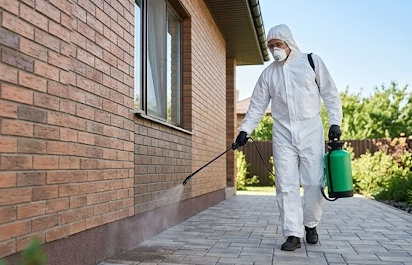
Scheduling a residential pest control service for the first time can leave many homeowners wondering what to expect. Some people assume the visit only involves spraying pesticides around the home, but modern pest control is much more comprehensive than that. A professional service focuses on identifying the source of pest activity, evaluating the property’s unique conditions, selecting the most appropriate treatment methods, and providing recommendations to help prevent future infestations.
Every home is different, so each pest control service is tailored to the specific pest problem and the home’s environment. Understanding what happens during a residential pest control service helps homeowners feel prepared and appreciate the value of a thorough pest management program. Click Here for more details.
Why Is an Inspection the First Step?
Every residential pest control service begins with a detailed inspection because successful treatment depends on accurately identifying the problem. Rather than immediately applying treatment products, technicians examine the home’s interior and exterior to determine which pests are present, where they are active, and what conditions may be encouraging them to remain. Kitchens, bathrooms, garages, crawl spaces, attics, basements, and exterior foundations are common inspection areas because pests often hide in these locations. A careful inspection provides valuable information before any treatment begins. Accurate identification leads to more effective pest management.
During the inspection, technicians also look for structural conditions that may allow pests to enter the home. Small cracks around windows, doors, foundations, utility lines, roof vents, and crawl space openings often serve as entry points for insects and rodents. Moisture problems, plumbing leaks, food sources, and excessive vegetation near the home may also contribute to pest activity. Identifying these factors helps address the underlying causes of infestations rather than simply treating visible pests. Prevention starts with understanding why pests are present.
How Is the Treatment Plan Developed?
Once the inspection is complete, the technician develops a treatment plan based on the type of pest, the severity of the infestation, and the property’s specific needs. Different pests require different treatment methods because their nesting habits, behaviors, and life cycles vary considerably. An ant infestation requires a different strategy than rodent activity, termite damage, or cockroach populations hidden inside wall cavities. Customized treatment plans provide better long-term results than generalized approaches. Every property benefits from an individualized solution.
The treatment plan also considers the home’s layout, the location of pest activity, and areas requiring ongoing monitoring. Rather than applying treatments throughout the entire property unnecessarily, professionals focus on locations where pests are most likely to travel, nest, or enter the home. This targeted approach improves effectiveness while supporting long-term pest prevention. Careful planning helps maximize treatment success. Every recommendation is based on the inspection findings.
What Types of Treatments Are Commonly Used?
Residential pest control services may use several treatment methods depending on the type of infestation. Targeted applications around entry points, foundation areas, cracks, crevices, and known pest activity zones are commonly used to reduce existing pest populations. Depending on the situation, bait stations, monitoring devices, traps, or exclusion techniques may also be included as part of the treatment strategy. Every method is selected according to the specific pest being addressed. Different infestations require different solutions.
Many modern pest control programs emphasize integrated pest management rather than relying on a single treatment method. This approach combines inspection, monitoring, targeted treatment, sanitation recommendations, and preventive maintenance to create a comprehensive pest management strategy. By addressing both the pests and the conditions that attract them, integrated treatment often produces more reliable long-term results. Prevention remains a key objective throughout the process. Combining multiple strategies strengthens overall protection.
What Happens After the Treatment Is Finished?
Once the treatment has been completed, the technician typically explains what was found during the inspection and reviews the work that was performed. Homeowners receive information about the pests identified, the treatment methods used, and any areas that may require ongoing attention. Understanding these findings helps homeowners recognize how the infestation developed and what can be done to reduce future pest activity. Clear communication supports successful long-term pest management. Homeowners become active participants in prevention.
Post-treatment recommendations often include practical maintenance advice that complements the professional service. Suggestions may involve storing food in sealed containers, repairing plumbing leaks, eliminating standing water, trimming vegetation, sealing structural openings, and improving sanitation in areas where pests were active. Following these recommendations helps maximize the effectiveness of the treatment. Small maintenance improvements often make a significant difference. Prevention continues after the technician leaves.
Are Follow-Up Visits Sometimes Necessary?
Some residential pest control services require follow-up visits to monitor progress and confirm that the infestation has been fully resolved. Certain pests, including termites, rodents, bed bugs, and cockroaches, may require additional inspections because of their life cycles or ability to remain hidden inside walls, crawl spaces, or other inaccessible locations. Follow-up appointments allow technicians to evaluate treatment effectiveness and make adjustments if necessary. Ongoing monitoring improves long-term results. Every infestation progresses differently.
Routine maintenance visits are also valuable for homeowners who want year-round protection rather than responding only after pests become visible. Regular inspections help identify developing pest activity before it becomes a larger infestation. Seasonal treatments allow preventive measures to be refreshed as environmental conditions change throughout the year. Consistent maintenance reduces the likelihood of recurring pest problems. Preventive service provides greater peace of mind.
How Can Homeowners Prepare for a Residential Pest Control Service?
Preparing for a residential pest control service helps the technician perform a more thorough inspection and treatment. Homeowners should ensure that areas around sinks, plumbing fixtures, storage spaces, and entry points are reasonably accessible so they can be examined carefully. Removing unnecessary clutter from garages, utility rooms, crawl space entrances, or under sinks also allows technicians to inspect areas where pests commonly hide. Good accessibility supports a more complete inspection. Preparation improves treatment efficiency.
Homeowners should also be prepared to describe any pest activity they have observed. Information about where pests have been seen, when activity occurs, unusual sounds, odors, droppings, or previous pest problems helps technicians better understand the situation before beginning the inspection. Sharing these observations often improves the accuracy of the treatment plan. Clear communication benefits both the homeowner and the technician. Accurate information supports more effective pest management.
Why Is Professional Residential Pest Control Worth It?
Professional residential pest control provides benefits that extend beyond simply eliminating visible pests. Experienced technicians understand pest biology, nesting behavior, seasonal activity, and the environmental conditions that allow infestations to develop. Their inspections identify hidden problems that homeowners may overlook while creating customized treatment plans that address the root cause of pest activity. Comprehensive management provides stronger long-term protection than temporary solutions. Professional expertise increases treatment effectiveness.
Routine residential pest control also helps protect the home’s value by reducing the risk of structural damage caused by termites, rodents, and other destructive pests. Maintaining a pest-free environment contributes to a cleaner, healthier, and more comfortable living space while reducing the likelihood of expensive emergency treatments later. Investing in ongoing pest management often saves both time and money over the long term. Consistent prevention provides lasting peace of mind.
Final Thoughts
Understanding what happens during a residential pest control service helps homeowners appreciate that effective pest management involves much more than applying treatment products. A professional service begins with a detailed inspection, followed by a customized treatment plan, targeted pest control methods, preventive recommendations, and, when necessary, ongoing monitoring. By combining professional expertise with routine home maintenance and preventive care, homeowners can reduce the risk of recurring infestations while protecting their property’s structure, value, and indoor environment. Regular residential pest control provides a proactive approach to maintaining a cleaner, healthier, and more comfortable home throughout the year.